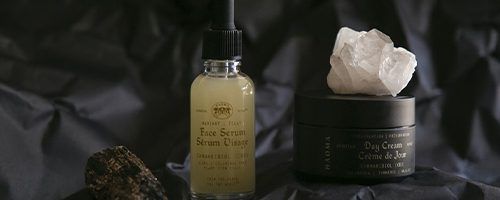

The Benefits of Rosehip Oil for Skin: Why This Botanical Ingredient Has Became a Signature Favorite
Few botanical skincare ingredients have earned as much attention as rosehip oil.
Praised by skincare enthusiasts, beauty editors, and professionals alike, rosehip oil has become a staple in many routines focused on hydration, radiance, and skin nourishment.
But what exactly makes this golden botanical oil so popular?
Let’s explore the science, benefits, and best ways to incorporate rosehip oil into your skincare regimen.
What Is Rosehip Oil?
Rosehip oil is extracted from the fruit and seeds of wild rose bushes, most commonly varieties belonging to the Rosa family.
Unlike rose essential oil, which is prized for its fragrance, rosehip oil is valued for its nutrient-rich composition and skin-supportive properties.
The oil contains a variety of naturally occurring compounds that help nourish and support healthy-looking skin.
What Makes Rosehip Oil Unique?
Rosehip oil contains several components that have contributed to its popularity in skincare.
These include:
- Essential fatty acids
- Antioxidants
- Naturally occurring vitamins
- Plant-derived nutrients
Together, these compounds help support skin that appears smoother, softer, and more radiant.
1. Helps Support Skin Hydration
Hydration is one of the foundations of healthy-looking skin.
Rosehip oil helps support the skin’s natural moisture barrier, which plays an important role in preventing excessive water loss.
When the barrier functions properly, skin often feels:
- Softer
- More comfortable
- Better balanced
- Less prone to dryness
2. Supports a Healthy-Looking Skin Barrier
The skin barrier acts as your body’s first line of defense against environmental stressors.
Factors such as over-exfoliation, harsh weather, and aggressive skincare routines can weaken this protective layer.
Rosehip oil contains essential fatty acids that help support the skin’s natural barrier function and overall resilience.
3. Promotes a More Radiant Appearance
One reason rosehip oil has become a favorite among skincare enthusiasts is the healthy-looking glow it can help provide.
Well-nourished skin often appears:
- Brighter
- Smoother
- More even in tone
- Naturally radiant
Unlike products that create temporary shine, rosehip oil helps support skin health beneath the surface.
4. Rich in Antioxidants
Every day, skin is exposed to environmental stressors such as pollution and UV exposure.
Antioxidants help support the skin by defending against the visible effects of these external factors.
Rosehip oil naturally contains antioxidant compounds that contribute to its reputation as a restorative skincare ingredient.
5. Complements a Wide Range of Skin Types
Many people assume facial oils are only suitable for dry skin.
In reality, rosehip oil is often appreciated by individuals with:
- Dry skin
- Combination skin
- Mature skin
- Dehydrated skin
- Sensitive skin
Its lightweight texture allows it to absorb comfortably without feeling excessively heavy.
How to Use Rosehip Oil in Your Skincare Routine
Rosehip oil is incredibly versatile and can be incorporated into both morning and evening routines.
Morning Routine
- Gentle cleanser
- Hydrating serum
- Moisturizer
- Rosehip oil
- Sunscreen
Evening Routine
- Cleanser
- Treatment serum (if desired)
- Moisturizer
- Rosehip oil
Many people prefer using facial oils in the evening to create a restorative nighttime regimen.
Rosehip Oil vs. Other Facial Oils
While many botanical oils offer skincare benefits, rosehip oil is particularly valued for its combination of lightweight texture and nutrient-rich composition.
Compared to heavier oils, it often absorbs quickly while still providing nourishing support for the skin barrier.
This balance has made it a favorite ingredient in luxury skincare formulations.
What to Look for in a Rosehip Oil Product
Quality matters.
When shopping for products containing rosehip oil, consider:
- Ingredient quality
- Thoughtful formulation
- Supporting botanical ingredients
- Packaging that protects the integrity of the oils
A carefully crafted blend often provides a more complete skincare experience than a single ingredient alone.
Why Botanical Oils Continue to Grow in Popularity
Modern consumers are increasingly seeking skincare products that focus on nourishment rather than aggressive treatment.
Botanical oils fit naturally into this philosophy.
They encourage a more restorative approach to skincare—one that prioritizes supporting the skin rather than constantly correcting it.
The Revage Restore Approach
At Revage Restore, we believe healthy-looking skin begins with nourishment.
That’s why botanical ingredients remain at the heart of our skincare philosophy.
By combining carefully selected plant-based oils with a commitment to simplicity and efficacy, we aim to support skin that feels comfortable, balanced, and naturally radiant.
Because true skincare isn’t about chasing perfection—it’s about restoring what your skin needs to thrive.
Frequently Asked Questions
Is rosehip oil good for dry skin?
Many people use rosehip oil to help support hydration and improve the appearance of dryness.
Can I use rosehip oil every day?
Yes. Rosehip oil is commonly used in both morning and evening skincare routines.
Does rosehip oil absorb quickly?
Rosehip oil is generally considered a lightweight botanical oil that absorbs relatively quickly compared to heavier oils.
Can rosehip oil replace moisturizer?
Rosehip oil and moisturizer serve different purposes. Many people choose to use both together as part of a complete skincare routine.
What skin types can use rosehip oil?
Rosehip oil is commonly used by individuals with dry, combination, mature, sensitive, and dehydrated skin.